
Key Takeaways
Plumbing, HVAC, appliance, and electrical issues are among the most common rental maintenance calls.
Preventative maintenance can reduce emergency repairs and protect the property.
Charleston landlords should pay attention to humidity, drainage, HVAC performance, and seasonal wear.
Clear tenant reporting systems help owners respond before small issues become expensive.
A property management company can coordinate vendors, track recurring issues, and reduce owner stress.
Maintenance is one of the biggest responsibilities that comes with owning a rental property. Some issues are predictable, some are urgent, and some can become expensive when they are ignored for too long. For Charleston landlords, planning ahead can make a major difference in protecting the property, reducing tenant frustration, and avoiding last-minute emergencies.
At Land Crown Property Management, we understand that your rental property is more than just an investment. It is your asset, your peace of mind, and your future. That means maintenance cannot be handled casually. It needs to be organized, responsive, and proactive.
While every property is different, many maintenance calls fall into the same general categories. Knowing what to expect can help you budget better, communicate clearly with tenants, and stay ahead of common problems before they become larger repairs.
1. Plumbing Leaks and Clogs
Plumbing issues are one of the most common types of rental property maintenance calls. Industry data from more than 193,000 maintenance requests found that plumbing, HVAC, appliance repair, and electrical issues account for roughly 71% of categorized work orders.
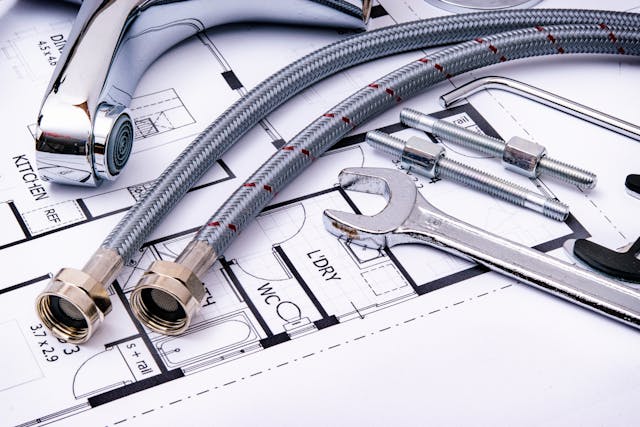
Common plumbing calls include:
Leaky faucets
Running toilets
Clogged drains
Garbage disposal problems
Low water pressure
Water under sinks
Toilet backups
Water heater issues
Some plumbing issues are minor, but others can cause serious property damage. A slow leak under a sink may not look urgent at first, but over time it can damage cabinets, flooring, drywall, and nearby materials.
Landlords should encourage tenants to report leaks quickly. It is also smart to check plumbing during inspections and turnovers, especially under sinks, around toilets, near water heaters, and around appliances that use water.
2. HVAC Problems
In Charleston’s warm, humid climate, HVAC performance matters. Air conditioning issues can quickly become one of the most urgent tenant concerns during hot weather. Common HVAC calls include:
AC not cooling
Weak airflow
Dirty filters
Thermostat problems
Strange noises
Leaking condensate lines
Uneven temperatures
Heat not working during colder weather
Preventative HVAC service can help reduce breakdowns. Owners should plan for regular filter changes, seasonal servicing, and quick attention to unusual noises or performance changes.
For rental properties, HVAC maintenance is not just about comfort. It can also help control indoor humidity, reduce moisture problems, and protect the property from preventable wear.
3. Appliance Breakdowns
Appliances get used every day, so they are a predictable source of maintenance calls. Even high-quality appliances will eventually need repair or replacement.
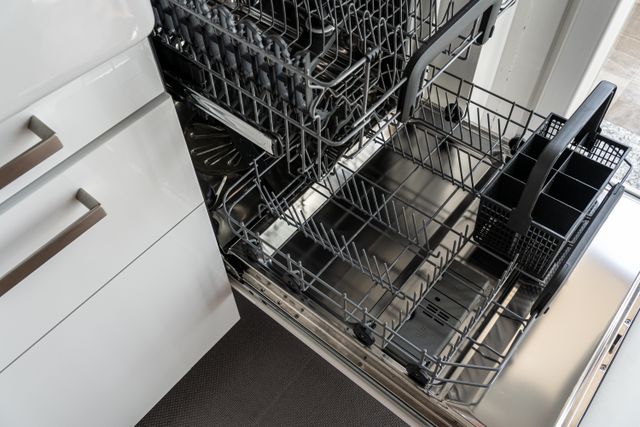
Common appliance issues include:
Refrigerator not cooling
Dishwasher not draining
Oven or stove not heating
Washer or dryer problems
Garbage disposal issues
Microwave failure, if provided
Leaking appliance connections
Owners should track appliance age and repair history. If the same appliance is generating repeated calls, replacement may be more cost-effective than ongoing repairs.
During turnover, test every appliance before the next tenant moves in. This helps prevent early lease frustrations and gives tenants confidence that the home is ready.
4. Electrical Issues
Electrical maintenance calls should be taken seriously. Some are simple, while others require a licensed professional. Common electrical calls include:
Outlets not working
Breakers tripping
Light fixtures failing
Ceiling fan issues
GFCI outlets needing reset
Exterior lights not working
Smoke detector or carbon monoxide detector concerns
Never ignore tenant reports of burning smells, sparks, exposed wiring, or repeated breaker trips. These issues should be treated as urgent.
For landlords, the best approach is to stay proactive. Test safety devices during inspections, replace aging fixtures when needed, and make sure tenants know how to report electrical concerns quickly.
5. Water Intrusion and Roof Leaks
Water intrusion can come from many places, including roofs, windows, doors, plumbing, gutters, and exterior grading. In a coastal region like Charleston, rain, storms, humidity, and drainage patterns can all affect rental properties.
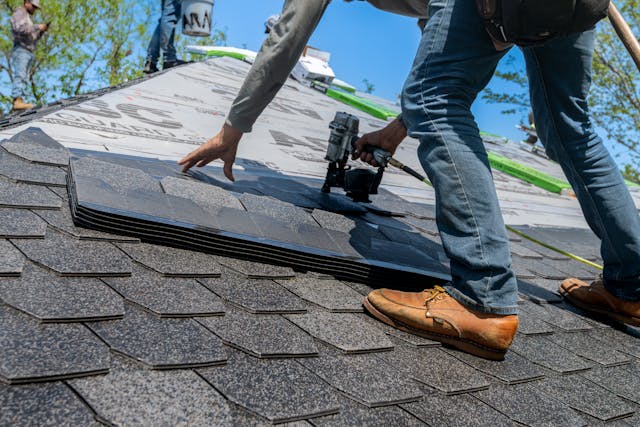
Common water-related calls include:
Roof leaks
Stained ceilings
Water around windows
Damp walls
Moisture near doors
Gutter overflow
Drainage problems
Musty odors
Water problems should be addressed early. A small stain or damp spot can point to a larger issue behind the surface.
Landlords should inspect gutters, rooflines, window seals, and drainage areas regularly. After heavy rain or storms, it may be worth checking vulnerable properties for signs of water entry.
6. Doors, Locks, and Windows
Doors, locks, and windows affect security, comfort, and energy efficiency. These issues are common during move-ins, move-outs, and seasonal changes. Maintenance calls may include:
Sticky doors
Broken locks
Window latches not working
Damaged screens
Drafts
Sliding doors off track
Garage door problems
Loose handles or hinges
These repairs may seem small, but they matter to tenants. A broken lock or window that does not close properly can quickly become a larger concern.
Turnover is a good time to test all doors, locks, windows, screens, and garage doors before listing the property again.
7. Moisture, Mold-Like Growth, and Ventilation Concerns
Charleston’s humidity makes moisture prevention especially important. Not every moisture concern is a major problem, but it should be checked promptly. Common calls include:
Musty odors
Bathroom fan problems
Condensation around windows
Damp closets
Moisture under sinks
Spots on walls or ceilings
Poor airflow
Owners should make sure bathrooms and laundry areas are properly ventilated. Tenants should also be reminded to use exhaust fans, report leaks, and avoid blocking airflow around vents.
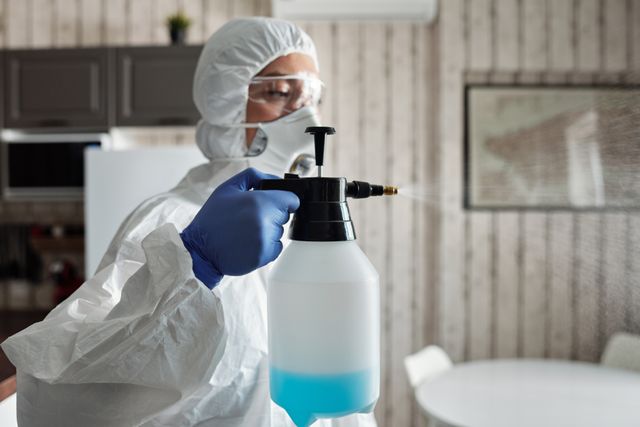
The goal is to catch moisture early before it affects finishes, tenant satisfaction, or long-term property condition.
8. Exterior Maintenance and Drainage
Exterior maintenance can affect both curb appeal and property protection. In Charleston, exterior wear can come from rain, heat, humidity, storms, vegetation, and everyday use. Common exterior maintenance calls include:
Gutter issues
Loose railings
Damaged steps
Fence repairs
Yard drainage issues
Exterior lighting problems
Siding or trim damage
Driveway or walkway concerns
Routine exterior checks can help landlords spot problems before they become expensive. Look for standing water, clogged gutters, overgrown vegetation, damaged wood, and areas where water is moving toward the home.
9. Pest and Wildlife Concerns
Pest calls can happen in almost any rental property, but prevention helps reduce recurring issues. Common concerns may include ants, roaches, rodents, mosquitoes, or wildlife around the exterior. Owners can reduce risk by:
Sealing gaps
Keeping exterior areas clean
Managing trash areas
Trimming vegetation
Reducing standing water
Addressing moisture concerns
Scheduling treatment when needed
Tenants should know how to report pest concerns early. Waiting too long can allow a small issue to grow.
10. Cosmetic and Wear-and-Tear Repairs
Not every maintenance call is urgent. Some issues are related to normal use of the property over time. Common cosmetic or wear-related calls include:
Scuffed walls
Worn flooring
Loose cabinet hardware
Broken blinds
Caulk replacement
Paint touch-ups
Sticking drawers
These issues are often best handled during turnover or scheduled maintenance. However, if they affect safety, function, or tenant satisfaction, they may need attention sooner.
FAQs
What are the most common rental maintenance calls?
The most common categories are usually plumbing, HVAC, appliance repair, and electrical issues. Industry maintenance data shows those categories make up the majority of work orders for rental properties.
How much should landlords budget for maintenance?
Maintenance budgets depend on the property’s age, condition, systems, and tenant use. Older homes, aging HVAC systems, older appliances, and properties with drainage or moisture concerns may need larger reserves.
Which maintenance calls are emergencies?
Emergencies usually include issues that affect safety, habitability, or risk serious property damage. Examples include major leaks, no heat in cold weather, electrical hazards, gas smells, broken exterior locks, or major water intrusion.
How can landlords reduce maintenance calls?
Preventative maintenance helps. Regular inspections, HVAC service, gutter cleaning, appliance checks, leak detection, and clear tenant reporting systems can reduce emergencies and catch small issues early.
Plan Ahead Instead of Reacting Later
Maintenance calls are part of owning rental property, but they do not have to be chaotic. When landlords know what to expect, they can budget more accurately, schedule preventative work, and respond to tenant concerns more effectively.
At Land Crown Property Management, we help Charleston rental owners protect their properties through full-service management, maintenance coordination, local market knowledge, and hands-on support. Our team understands that your rental is an important asset, and our goal is to help you manage it with less stress and more confidence.
If you own a rental property in Charleston or the surrounding Lowcountry, Land Crown Property Management can help you plan for common maintenance issues, coordinate repairs, and keep your investment moving in the right direction.
.png)