


A rental property can generate consistent income for years, but one unexpected repair can quickly disrupt your cash flow. A failing HVAC system, roof leak, or plumbing emergency can cost thousands of dollars, especially when there isn't money set aside to handle it.
For Charleston rental property owners, the question isn't whether your property will eventually need repairs. It's whether you'll be financially prepared when those repairs happen.
At Land Crown Property Management, we understand that your rental property is an important investment. Protecting its long-term value means planning for maintenance expenses ahead of time.
Whether you own a single-family rental in West Ashley, a property on Johns Island, or an investment home elsewhere in the Charleston area, here's how to build a realistic repair budget.
Key Takeaways
Setting aside money for unexpected repairs each month helps owners handle maintenance without disrupting their finances.
Routine repairs, emergency expenses and major replacements should be budgeted separately.
Humidity, storms, drainage and coastal conditions can influence repair needs for Charleston properties.
Preventative maintenance, inspections and timely repairs help owners catch problems before they worsen.
Professional management, reliable vendors, organized maintenance records and clear reporting help owners plan more effectively.
How Much Should Landlords Budget for Repairs?
There isn't one maintenance budget that works for every rental property. Your budget will depend on your home’s condition, age and any applicable requirements. A newer home with recently replaced systems may require less immediate work than an older property with aging appliances, roofing and plumbing.

However, a common starting point is setting aside approximately 5% to 10% of annual rental income for routine maintenance and repairs, then adjusting based on the property's condition.
For example, consider a Charleston rental generating $2,500 per month.
Budget Item | Amount |
Monthly rental income | $2,500 |
Annual gross rental income | $30,000 |
5% maintenance allowance | $1,500 annually |
10% maintenance allowance | $3,000 annually |
These figures are illustrative planning allowances, not guarantees or universal industry requirements.
It’s important to note that this amount may not be sufficient to cover major replacements, such as a new roof or HVAC system. Those larger expenses should have their own budget.
Separate Repairs Into Three Categories
One of the easiest ways to improve your maintenance budget is to organize expenses into three categories.
1. Routine Maintenance
These are predictable expenses that help keep the property functioning properly.
Examples include:
HVAC servicing
Gutter cleaning
Minor plumbing repairs
Landscaping upkeep
Filter replacement
Appliance servicing
Small fixture repairs
These costs should be included in your annual operating budget.
2. Emergency Repairs
Emergency repairs are less predictable and often require immediate attention.
Some examples of emergency repairs are:
Major plumbing leaks
Electrical hazards
HVAC failures
Significant water intrusion
Maintaining accessible emergency funds helps owners respond without delaying necessary work.
3. Major Replacements
Major replacements involve expensive components that wear out over time.
These may include:
HVAC systems
Water heaters
Roofing
Major appliances
Flooring
Exterior siding
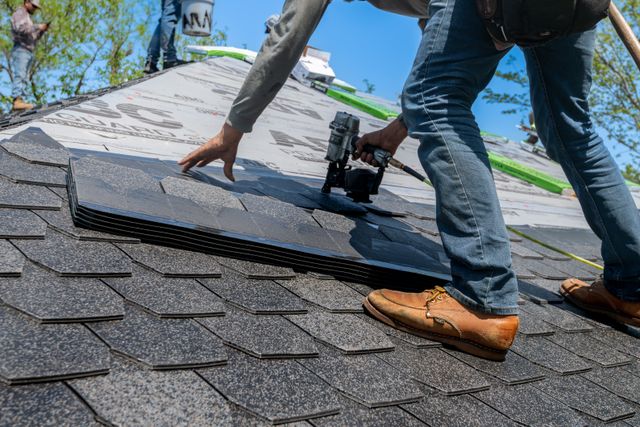
HUD's guidance on capital repairs and replacement reserves emphasizes tracking building components, estimating replacement dates and planning for future costs. This approach can help rental owners avoid large, unexpected financial setbacks.
Rather than waiting until replacement becomes urgent, estimate the remaining useful life of each system and begin saving accordingly.
Build a Reserve for Major Replacements
Routine maintenance savings and capital replacement reserves serve different purposes.
Imagine your property's HVAC system is aging and you expect to replace it within five years. If you estimate replacement will cost $8,000, saving approximately $133 per month would build that amount over five years, excluding interest and future price changes.
The same principle applies to roofs, appliances and other major components.
Start by identifying:
Approximate equipment age
Expected remaining lifespan
Estimated replacement cost
Previous repair history
Amount already saved
These estimates won't be perfect, but they help turn future expenses into manageable monthly contributions.
Account for Charleston's Coastal Conditions
Charleston rental properties face maintenance considerations that may differ from those in drier or inland markets.
High humidity can contribute to moisture problems, while heavy rainfall and storms can affect roofing, drainage and exterior materials. Coastal exposure may also accelerate corrosion on certain outdoor fixtures and equipment.
For Charleston landlords, maintenance planning should pay particular attention to:
HVAC performance and condensation
Roof condition
Gutters and drainage
Bathroom ventilation
Crawl space moisture
Exterior paint and materials
Window and door seals
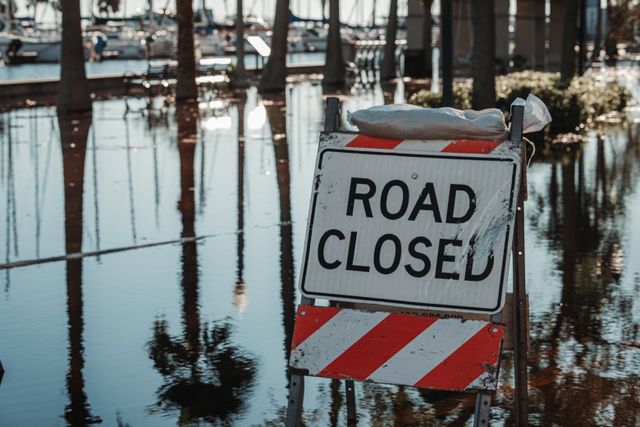
Flood exposure also deserves consideration. Flood-related losses generally require separate flood insurance because standard property insurance typically excludes flooding.
The City of Charleston identifies coastal flooding, heavy rainfall and drainage challenges as important property risks. Owners should understand their property's individual exposure and review appropriate insurance coverage.
Use Preventative Maintenance to Control Costs
One of the most effective ways to manage repair expenses is to address problems before they become emergencies.
A small leak might require a minor plumbing repair today but could cause extensive flooring or cabinet damage if ignored. Likewise, routine HVAC servicing can help identify performance issues before the system fails during Charleston's summer heat.
At Land Crown Property Management, we emphasize proactive maintenance and timely repairs to help protect owner investments. Our team coordinates work through vetted vendors and provides ongoing property oversight.
You can also review our guide to the most common maintenance calls Charleston landlords should plan for to identify recurring expenses worth including in your budget.
Understand Your Property Manager's Maintenance Reserve
If you work with a property management company, it's important to understand how maintenance funds are handled.
At Land Crown Property Management, we require owners to maintain a $600 maintenance reserve to help cover minor repairs and emergencies. This provides accessible funds for smaller maintenance needs.
However, it should not be confused with your total annual maintenance budget or long-term replacement savings. Owners should maintain additional funds based on their property's age, condition and potential repair expenses.

Our management services also include maintenance coordination and financial reporting, helping owners track costs and make informed decisions.
Review Your Maintenance Budget Every Year
A repair budget should change as your property ages.
An HVAC system that was relatively new five years ago may now require more attention. Rising contractor costs or repeated appliance problems may also affect your spending.
Review your budget annually and ask:
Did maintenance exceed expectations?
Are any systems approaching replacement?
Have repair costs increased?
Are there recurring problems?
Does the property need additional reserves?
Use your actual maintenance records to adjust future contributions. The goal isn't to predict every expense perfectly. It's to become better prepared over time.
FAQs
How much should Charleston landlords save for maintenance?
A preliminary allowance of 5% to 10% of annual rental income may help with routine expenses, but actual needs vary. Older properties or those with aging systems may require more, particularly when major replacements are approaching.
Should emergency repairs have a separate budget?
Yes. Accessible emergency funds help owners respond to urgent problems without relying entirely on money reserved for routine maintenance.
What are the most expensive rental property repairs?
Major HVAC replacements, roofing, extensive plumbing damage and significant water intrusion can be costly. Actual expenses depend on the property and scope of work.
Does landlord insurance cover all property repairs?
No. Insurance generally covers specified risks rather than ordinary wear, aging equipment, or neglected maintenance. Flood damage usually requires separate coverage. Review your individual policy with your insurer.
Can Land Crown Property Management help manage repair expenses?
Yes. We coordinate repairs through vetted vendors and provide financial reporting and maintenance oversight to help Charleston owners monitor costs and protect their investments.
Protect Your Charleston Rental With a Smarter Maintenance Budget
Rental property repairs are unavoidable, but financial surprises don't have to be.
By separating routine expenses, emergency repairs and major replacements, Charleston landlords can build a more realistic maintenance budget and make better decisions about their properties.
At Land Crown Property Management, our team helps Charleston-area owners protect their investments through proactive maintenance, transparent communication, reliable vendor coordination and professional oversight.
Our goal is to make rental ownership more efficient while helping you preserve long-term property value.
.png)